
Lately, the monetary panorama has been marked by unprecedented volatility, prompting many buyers to seek alternative ways to safe their retirement savings. One such methodology gaining traction is the conversion of Particular person Retirement Accounts (IRAs) into gold. This technique not only serves as a hedge in opposition to inflation and financial downturns but also affords a tangible asset that can present peace of mind in unsure instances. As more people discover this feature, it’s important to know the method, benefits, and potential pitfalls of changing an IRA to gold.
(Image: https://live.staticflickr.com/65535/52892972747_f152da160b.jpg) Understanding Gold IRAs
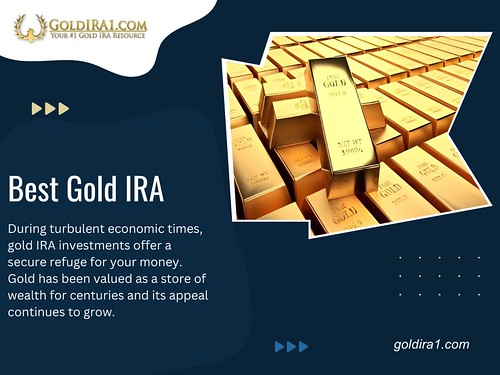
A Gold IRA is a specialized kind of individual retirement account that permits buyers to hold physical gold, together with other treasured metals, as a part of their retirement portfolio. Not like traditional IRAs, which sometimes include stocks, bonds, and mutual funds, Gold IRAs present a unique opportunity to spend money on tangible belongings. The interior Revenue Service (IRS) permits certain kinds of valuable metals to be included in these accounts, including gold, silver, platinum, and palladium, provided they meet particular purity requirements.
The benefits of Changing to Gold
Inflation Hedge: One of the first causes investors consider changing their IRA to gold is to protect towards inflation. Historically, gold has maintained its worth over time, making it a pretty possibility during intervals of rising consumer prices. As the purchasing power of fiat currencies declines, gold usually appreciates, offering a safeguard for retirement savings.
Economic Uncertainty: Financial instability, geopolitical tensions, and market fluctuations can result in significant anxiety among traders. Gold is often considered as a “protected haven” asset throughout such times, because it tends to retain value when other investments falter. By converting to a Gold IRA, investors can probably shield their retirement savings from the impacts of financial downturns.
Diversification: Diversifying an funding portfolio is a elementary principle of sound investing. By adding gold to an IRA, traders can scale back their total danger publicity. Gold usually strikes independently of inventory and bond markets, offering a buffer during market volatility.
Tangible Asset: Unlike stocks and bonds, gold is a bodily asset that can be held in hand. This tangibility can provide a way of security for investors who desire to have a concrete representation of their wealth.
The Conversion Course of
Converting an IRA to gold involves several steps, and it’s crucial to strategy the process with care. Here’s a general outline of easy methods to make the change:
Choose a Custodian: Step one is to pick out a good custodian that specializes in Gold IRAs. The IRS requires that all IRAs be held by a professional custodian, and not all custodians are equipped to handle precious metals. It’s vital to conduct thorough analysis and select a custodian with a strong monitor report and transparent fee structure.
Open a Gold IRA: Once a custodian is chosen, the next step is to open a Gold IRA account. This course of is similar to opening a conventional IRA and sometimes involves filling out an application and providing private information.
Fund the Account: Buyers can fund their Gold IRA via numerous strategies, together with rolling over funds from an current IRA, transferring funds from a 401(ok), or making a new contribution. It’s important to grasp the tax implications and rules associated with each funding technique to keep away from penalties.
Choose Your Gold: After funding the account, buyers can choose which sorts of gold to buy. The IRS has specific pointers concerning the forms of gold that can be held in a Gold IRA. For example, gold coins must meet a minimal purity of 99.5%, whereas gold bars must be produced by an accredited refiner. It’s advisable to work intently with the custodian to ensure compliance with IRS regulations.
Storage: As soon as the gold is purchased, it must be saved in an accredited depository. The IRS requires that all valuable metals held in a Gold IRA be saved in a safe, IRS-accredited facility. Traders can not take physical possession of the gold whereas it remains within the IRA, but they can select to do so as soon as they reach retirement age.
Potential Pitfalls to consider
While changing an IRA to gold can offer numerous advantages, there are additionally potential pitfalls to concentrate on:
Fees and Prices: Gold IRAs usually come with higher fees compared to conventional IRAs. Custodial fees, storage charges, and transaction costs can add up, so it’s essential to grasp the entire cost of sustaining a Gold IRA.
Market Threat: Whereas gold is commonly seen as a stable investment, it isn't immune to market fluctuations. Costs may be volatile in the short term, and buyers needs to be prepared for potential downturns.
Limited Development Potential: In contrast to stocks, which may recognize considerably over time, gold sometimes doesn't present dividend earnings or curiosity. Buyers need to have practical expectations about the potential returns from gold investments.
Regulatory Compliance: The IRS has strict regulations concerning Gold IRAs, and failure to adhere to those rules may end up in penalties. It’s crucial to work with knowledgeable custodians and advisors to make sure compliance.
Conclusion
Changing an IRA to gold generally is a strategic transfer for traders in search of to protect their retirement financial savings from inflation, financial uncertainty, and Rentry market volatility. By understanding the benefits, the conversion process, and the potential pitfalls, people could make knowledgeable choices about incorporating gold into their investment portfolios. As all the time, consulting with a financial advisor is beneficial to tailor a technique that aligns with one’s financial targets and threat tolerance. In an ever-altering financial panorama, gold remains a time-tested asset that continues to attract the eye of savvy investors looking for stability and security in their retirement planning.