
You want training that fits your life and stays consistent when the week gets crowded. That means using a simple framework, not last-minute changes, and building skills you can repeat. We’ll focus on execution as the center of steady gains, then tie in materials, safety, budget, and support. You’ll learn to connect these elements into a week that holds. Small wins add up faster than you think. You’ll get field-tested moves that slot right into your day. By the end, you’ll have a focused system that cuts friction while keeping your progress measurable. Let’s turn planning into action.
Map clear goals and scope for the next 120 days
Start by picking two main outcomes, like a five-rep deadlift at bodyweight and a 1-mile run under eight minutes. You can compare templates Gym and see what fits your week. Keep the scope tight: three lifts and two short runs, not “everything.” Set guardrails, like three sessions on Monday, Wednesday, and Friday, plus a 20-minute Saturday zone-2. Write it down and keep it visible. This clears the fog quickly. Aim simple, then expand.
Break the 90 days into three blocks with checkpoints. Week one is baseline testing; weeks two through four build volume; week five deloads. Add short, easy intervals midweek so recovery doesn’t get crushed. If travel pops up, plan “10-minute minimums” to keep the habit alive. One short session beats a missed day. Continuity matters most.
Choose supportive inputs: tools, tracking, and environment that reduce friction
Audit what you have at home and at the office. You can map a routine Gym and remove three obstacles before they bite. For example, pair adjustable dumbbells with a fold-flat bench to save space. Grab a simple stopwatch for rest, and print a checklist for the day’s lifts. Stage your bag by the door so you start on autopilot. Lower friction, higher consistency.
Track only what drives change. Record volumes and perceived effort after each session. Avoid over-logging so you don’t drown in data. Use a notes app that takes under 60 seconds to update. Every rep has a receipt. Data should serve decisions, not the other way around.
(Image: https://shotstash.com/wp-content/uploads/2018/11/gym-training.jpg) Build sustainable weekly rhythm and scheduling that actually holds

Lock your three main sessions at the same hour each week. You can stack habits Gym and anchor training to coffee, commute, or lunch. Monday: push focus with bench, overhead press, and dips. Midweek pulls with deadlift variations and rows. Friday lower body with squats and lunges. Tiny cues make it stick.
Use “session shapes” to move fast: A-Block heavy lift, B-Block accessory pair, C-Block finisher or mobility. Set a 40–50 minute cap so life can’t knock it over. If a kid’s game runs late, run the A-Block only and call it a win. Done beats ideal when you’re building streaks. Guard the rhythm before the volume.
Keep quality high and strain low with simple checks
Use two cues per lift to keep form crisp. You can film the top set Gym and compare it to last week’s clip. For squats, think “brace and drive up”; for presses, “stack and squeeze.” Cut a set when speed dies to protect joints and keep training tomorrow. Warm up with purpose. A safer lift today enables a stronger lift next week.
(Image: https://shotstash.com/wp-content/uploads/2018/11/sports-gym.jpg)

Add auto-regulation to dodge bad days. Call the RPE without ego and adjust loads by one plate or five pounds. If sleep or stress tanks, swap heavy pulling for a brisk walk and core. Slide the dial, don’t break it. Elastic plans survive chaos.
Balance budget and trade-offs while picking what truly matters
Decide where to spend: one coaching check-in per month, or a form review every two weeks. You can test options Gym and match them to your priorities. If cash is tight, buy a skipping rope and bands before pricier gear. Load a backpack to get strong on little. Spend on shoes before gadgets. Value shows up in what you keep using.
Trade intensity and volume based on your week. Heavy day after deep sleep keeps progress moving. If you have 25 minutes, run the main lift with crisp triples and stop. Brief sessions still build. Consistency outlives any single big day.
(Image: https://shotstash.com/wp-content/uploads/2018/11/gym-dumbbell.jpg) Coordinate people and timelines to smooth the week and avoid snags
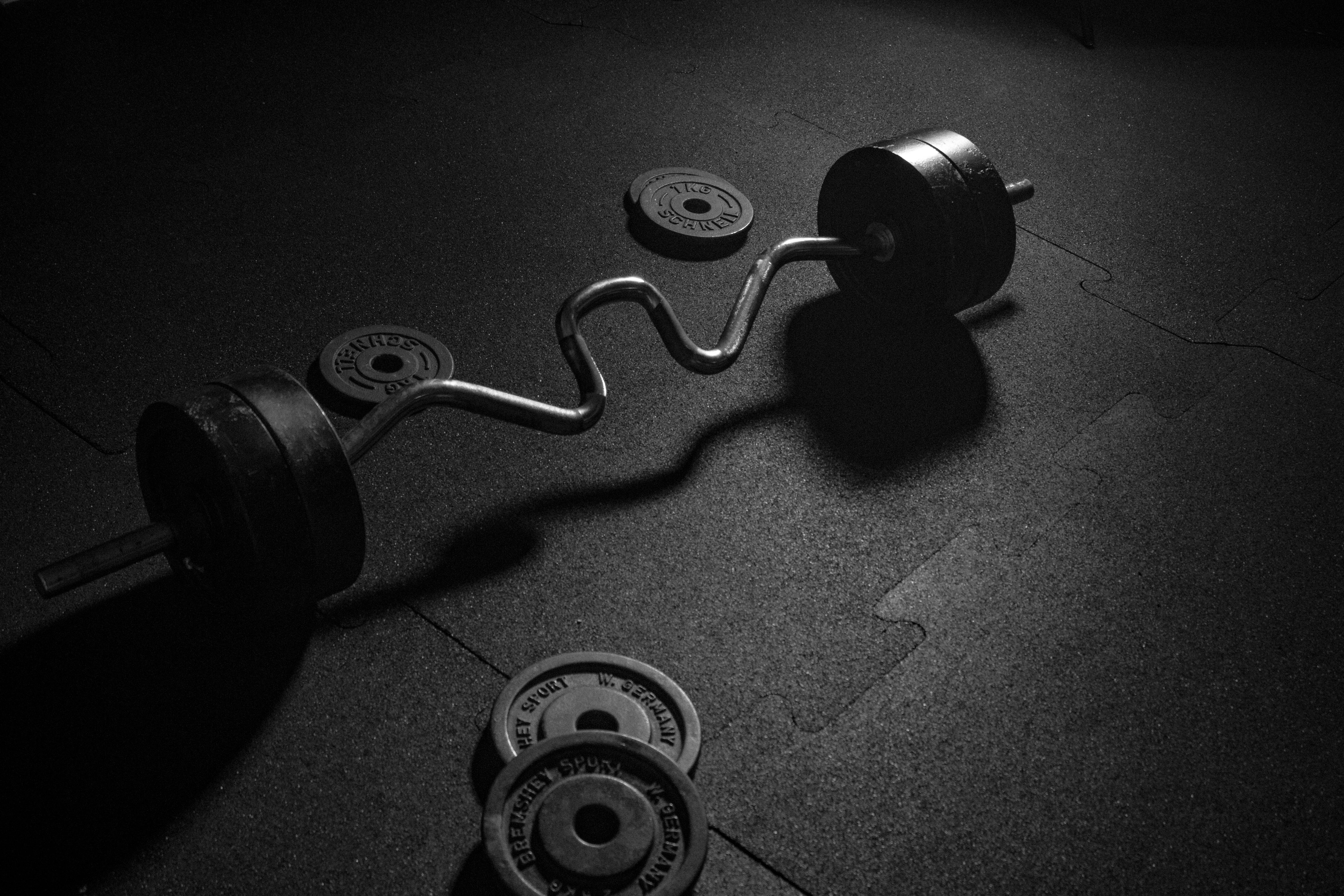
Tell family or roommates your training times and ask for a quiet slot. You can set expectations Gym and earn buy-in before conflicts pop up. At work, block your calendar and mark it as focus time. Invite a friend on Friday to add light accountability. Shared effort lifts consistency.
Prepare for travel and holidays with “micro-kits.” Pack bands, a jump rope, and a mini slider. Keep a rainy-day template in your notes. If a relative needs help during your slot, swap days in advance. Proactive beats reactive. You’re designing a system that survives real life.
Conclusion You now have a lean path that covers scope, inputs, weekly flow, quality, and trade-offs, all tied together with steady coordination. The parts lock together so you can glide from plan to action without losing time. Keep the rhythm, adjust the load, and protect the habit. Progress follows clarity and practice.