
Choosing parts that resist failure starts with a clear plan, then hard checks for quality under pressure. In fast-moving jobs, small misreads create leaks, callbacks, and lost time, so we focus on how to prevent them. This guide takes a risk-first approach, working from layout to handover with simple moves you can repeat. You’ll see how sizing, thread types, and pressure ratings tie together, and why traceable specs matter when crews change shifts. We highlight shop-floor realities like torque ranges, thread seal choices, and cleaning routines that keep systems tight. For sourcing, a trusted Industrial Hardware Supplier can save days by flagging mismatches before you install. If you maintain utility loops, the same checks help you avoid rework. We keep language plain, steps short, and examples concrete, so you can apply them on your next job with little fuss. Do it once, and do it right.
Scope early with clear requirements plus safety allowances
Start with loads, media, and temperature windows, then write a one-page scope that locks down ratings, threads, and test points. See spec sheets at pipe fittings and Flanges before you choose sizes. Write the pressure class clearly, media compatibility, and thread type so buyers don’t guess. Add room for growth and add a tight decision path if brands change mid-project. Define torque ranges for joints your team will control in the field. You’ll cut back-and-forth and failures.
Map the system in zones and label each joint by duty: static, vibration, or thermal movement. Apply simple tags so installers know which sealing method to use. Assign a single owner for scope updates, and track changes with timestamps. Define test steps early to align crews and inspectors. Clean scope shrinks last-minute churn. It’s cheaper to plan than to patch.
Pick alloys and sealants suited to media and pressure
List media properties, then tie them to fitting alloys, gasket compounds, and thread sealants the crew already trusts. Consult catalogs at industrial bolts and nuts when comparing pressure ratings and corrosion data. With mild acids, choose parts with compatible elastomers and note install temperatures on the work order. Standardize one sealant per thread to avoid mix-ups. If the media is abrasive, consider wear sleeves or schedule upgrades at elbows. Design for extremes, not averages.
On a small warehouse retrofit, stainless tees solved a chlorine pitting issue that had killed two carbon steel runs. We logged the change and trained night shift on torque and sealant amount for those joints. Add a short note on PTFE tape count, and cap it with a maximum turns guideline to prevent over-tightening. Bench-check with two sample joints before you order the full lot. Testing tiny saves thousands later.
(Image: https://www.homecomfortpractice.com/wp-content/uploads/2023/03/air-source-heat-pump-scaled.jpg) Sequence work, kit components, and book crew time smartly
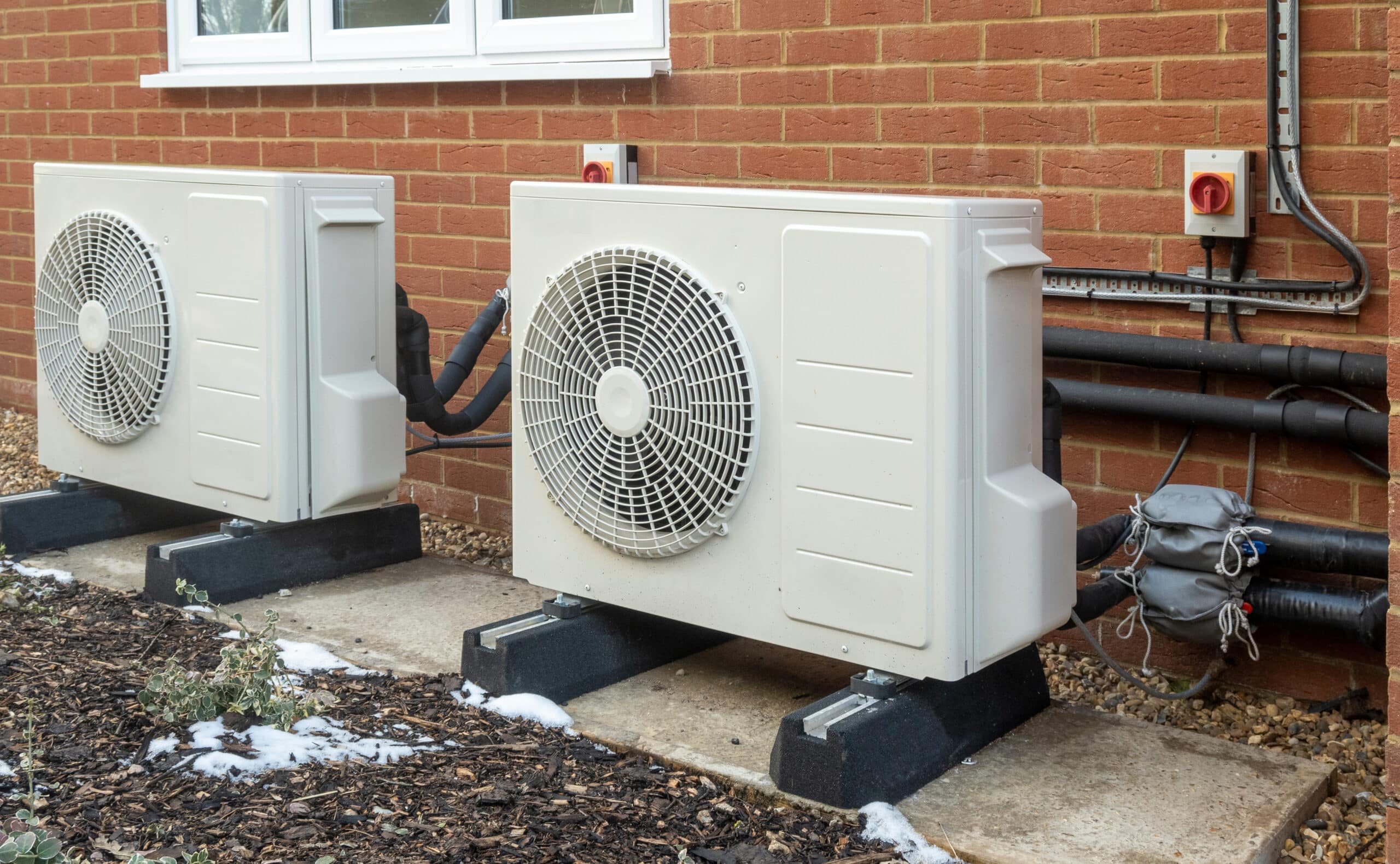
Break the job into zones, then kit valves, tees, and reducers for each zone in labeled totes. Place staging notes beside industrial bolts and nuts to keep the flow tight. Put heavy items low and fragile indicators on top with foam. Schedule noisy tasks early and reserve quiet hours for leak checks. Record kit transfers so missing parts are spotted before crews start. Good kitting keeps crews moving.
In a school expansion, two crews swapped zones after lunch, and kitted parts made the swap clean. We kept the thread tools traveling, so no one hunted for gear. A rolling whiteboard listed torque targets, pressure tests, and sign-offs, then moved with the lead. The board replaced a dozen calls and tightened the schedule. Good prep unlocks speed.
Control quality and failure odds with checks that stick
Set gate checks: thread fit, alignment, torque, and timed leak tests before handover. Add audit steps near INDUSTRIAL HARDWARE SUPPLIER so inspectors can verify torque and sealant use. Standardize the torque chart and pin it at eye level by the work area. Add buddy checks on critical joints that see vibration. Photograph each test gauge with date and bar to prove each joint passed. Pictures end the arguments.
On a turbine skid, misaligned threads created a slow weep that only showed at heat. We replaced parts with matched threads and used torque paint to spot movement over time. Paint lines make shifts accountable without long meetings. Near pumps, add support hangers and check them after warm-up. Consistent checks build trust.
(Image: https://customfitinsulation.com/wp-content/uploads/2021/02/blown-in-insulation.jpg) Keep systems tight with care routines and regular inspections
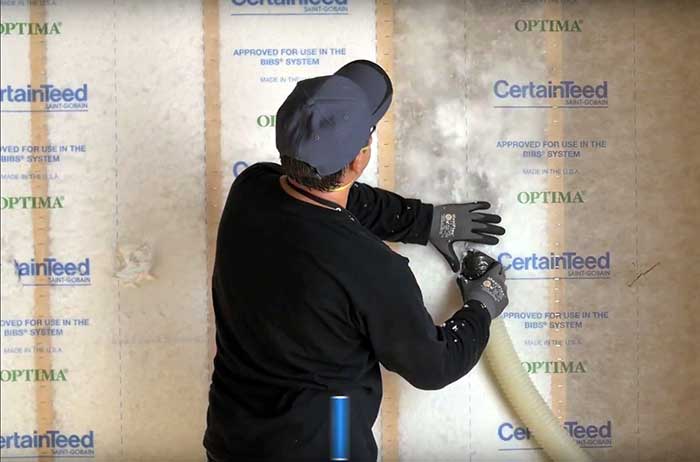
Plan cleanup, lubricant re-application, and thread check intervals alongside your scheduling notes. Add service notes next to INDUSTRIAL HARDWARE SUPPLIER so techs know the exact torque and sealant. Date-tag each valve and write the next check on a high-contrast label. Clean fittings before checks so leaks are easy to spot. When halos appear, retorque after cooldown and recheck in twenty-four hours. Little routines block big headaches.
We had a condo boiler loop that loosened during fall start-up as temps swung fast. A quick torque pass and a fresh seal around two unions ended weeks of tiny leaks. Add the maintenance steps to the work order along with target torque and media notes for the next season. Close the loop with photos and file them for easy recall. Documentation becomes tomorrow’s playbook.
In procurement, specify that your preferred supplier can package matched sets and provide traceable lots for fast audits. Ask for immediate stock status and packaging that protects threads and faces. For heavy-duty builds, include Industrial Bolts and Nuts in the request so hangers and supports won’t hold you back. Check mill certs where it matters. A quick check saves a long delay.
(Image: https://s3-media0.fl.yelpcdn.com/bphoto/R9pyCCCZ-2Fvrov169IZsw/l.jpg)
When you need a partner who understands pressure classes, media, and field realities, choose a team that can ship fast and stand behind advice. Ask for references from similar jobs and clarify warranty terms tied to install practices. If you rely on Pipe Fittings as a service, ensure crew training aligns with the torque and sealant standards you set. The right fit frees your schedule.
Conclusion: Tie scope to real loads, pick materials for the worst day, and sequence work so crews move without friction. Then measure what matters: thread fit, torque, and proof of pressure performance. With routine care and a supplier that supports your system choices, jobs finish tight and stay tight. The result is fewer callbacks, safer runs, and a process you can repeat with confidence.