
When indoor comfort slips, the fastest fix starts with a clear game plan, not guesswork. A practical outline limits downtime and boosts peace of mind. First, map what’s failing, who’s impacted, and how long your home can flex without certain zones. Second, match that scope to skills, tools, and timelines so the work flows smoothly. Quality and risk management should shape every choice, from filter ratings to final testing. If you bring in an hvac contractor, set expectations in writing and confirm availability windows. Sharing serial tags and vent counts speeds diagnostics. You’ll also want a realistic budget buffer, because parts pricing and lead times can shift. Finally, think about future upkeep while planning the fix today. This approach turns problems into predictable tasks.
Set Priorities and Outcomes to Guide the Project Start
Start with a quiet walk-through at different times of day, noting drafty halls and weak airflow. You can see service windows here ac repair before we lock dates. Log supply temperatures so you can compare after the fix. Tag breaker panels, label returns, and mark outdoor clearances with tape. Small prep steps cut hours off the job.
Create a room matrix: nursery needs steady temps, office needs low noise, and kitchen tolerates slight swings. This simple chart prevents scope creep. Tie each need to a measurable result, like “68–70°F at the sofa” or “≤55 dB by the desk.” Note constraints such as pet schedules, sleep times, and HOA rules about parking. Good goals turn vague problems into solvable tasks.
Choose Filters and Sealants for Clean Air and Longevity
List consumables early: UV-resistant zip ties. Lead times can surprise you ac repair if a coil or motor is special order. Confirm gasket sizes before money changes hands. Keep extras of screws and pads, and store them in labeled bins. Prepared bins mean fewer mid-job store runs.
(Image: https://picography.co/page/1/600)
Match filter ratings to lifestyle: pets, allergies, and dust loads vary by home. Overly tight filters can choke airflow. A balanced choice supports steady temps without overworking the blower. If cooling struggles on humid days, plan for drain-line cleaning and check trap design. Small moisture fixes stop big water messes later.
(Image: https://mracoforlando.com/wp-content/uploads/2021/05/banner-02-1.jpg) Scheduling the Work Smoothly Around Daily Life
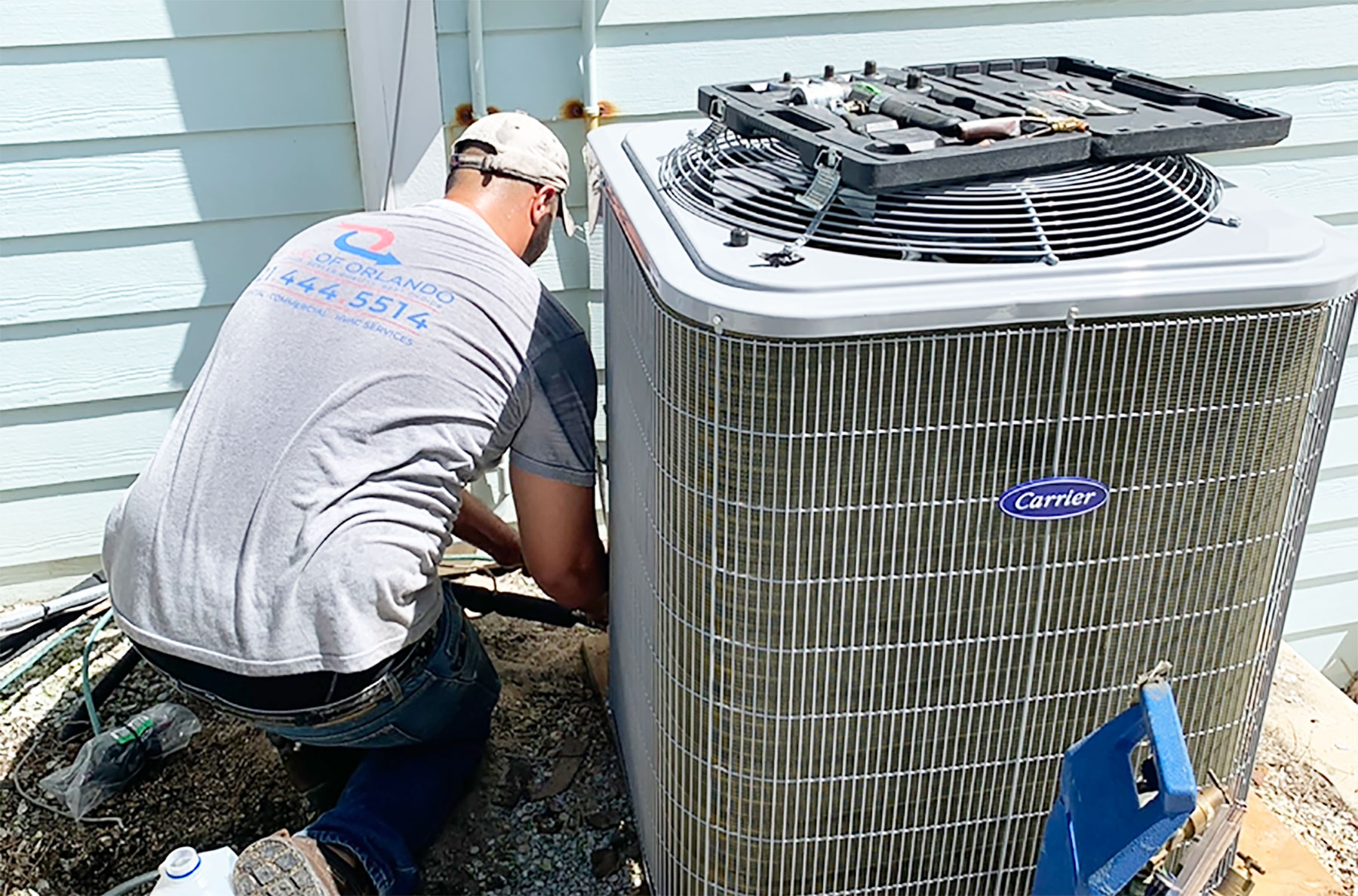
Map the workflow into chunks: diagnose, parts run, install, and verify. You can review open slots here ac repair to keep school pickup and naps intact. Batch ladders and attic trips together. Stagger tasks so one person pulls panels while another logs readings. Tight sequencing shortens the clock.
Build buffer time for sticky fasteners and rusted screws. What looks quick can hide surprises. If someone works from home, shift testing to lunch or early afternoon. Share gate codes and street parking rules to avoid delays. Smooth access beats speed every time.
Quality Checks, Safety Steps, and Risk Controls That Stick
Set pass/fail points before work begins: target temps, delta-T, static pressure, and sound levels. You can compare numbers here ac repair when reviewing the final report. Measure run amperage at startup. Photograph gauge sets and readings for your records. Proof beats memory every time.
(Image: https://picography.co/page/1/600)
Add safety rituals: kill power, lockout tags, and verify with a non-contact tester. Slow is smooth, smooth is safe. Check drain switches, cleared traps, and pan tilt. For cooling, validate airflow before calling for air conditioning repair so coils don’t freeze during tests. Small discipline now prevents big breakdowns later.
Money Smart Moves: Stretch Dollars Without Sacrificing Comfort
Group tasks by value: must-do, nice-to-have, and future-ready. You can compare options here ac repair and pick what matters most. Fix loud rattles early. These basics often unlock better performance for little cost. Early gains reduce pressure on big choices.
For cooling outages, a targeted ac repair may bridge a tough week, while planning a coil swap later. Bridging tactics protect comfort and cash. If heat fails in January, prioritize furnace repair before upgrades to zoning or smart controls. When equipment ages past its curve, replacement may beat constant patches from hvac repair shops; confirm with a simple payback math. Numbers cut through guesswork and hype.
Conclusion A little structure goes a long way when comfort is on the line. You scoped rooms, matched supplies to real needs, and timed the work around daily life. Then you proved results with data and made money-smart choices that fit your season. With a steady plan and the right team, your home stays calm, efficient, and ready for what’s next.